How High to Hang Art Above a Couch (Simple Guidelines That Work)
How high to hang art above a couch: the 8 to 10 inch gap, the eye-level center rule, how wide art should be, and fixes for low sofas and tall ceilings.
By Shelf & Sill5 min read

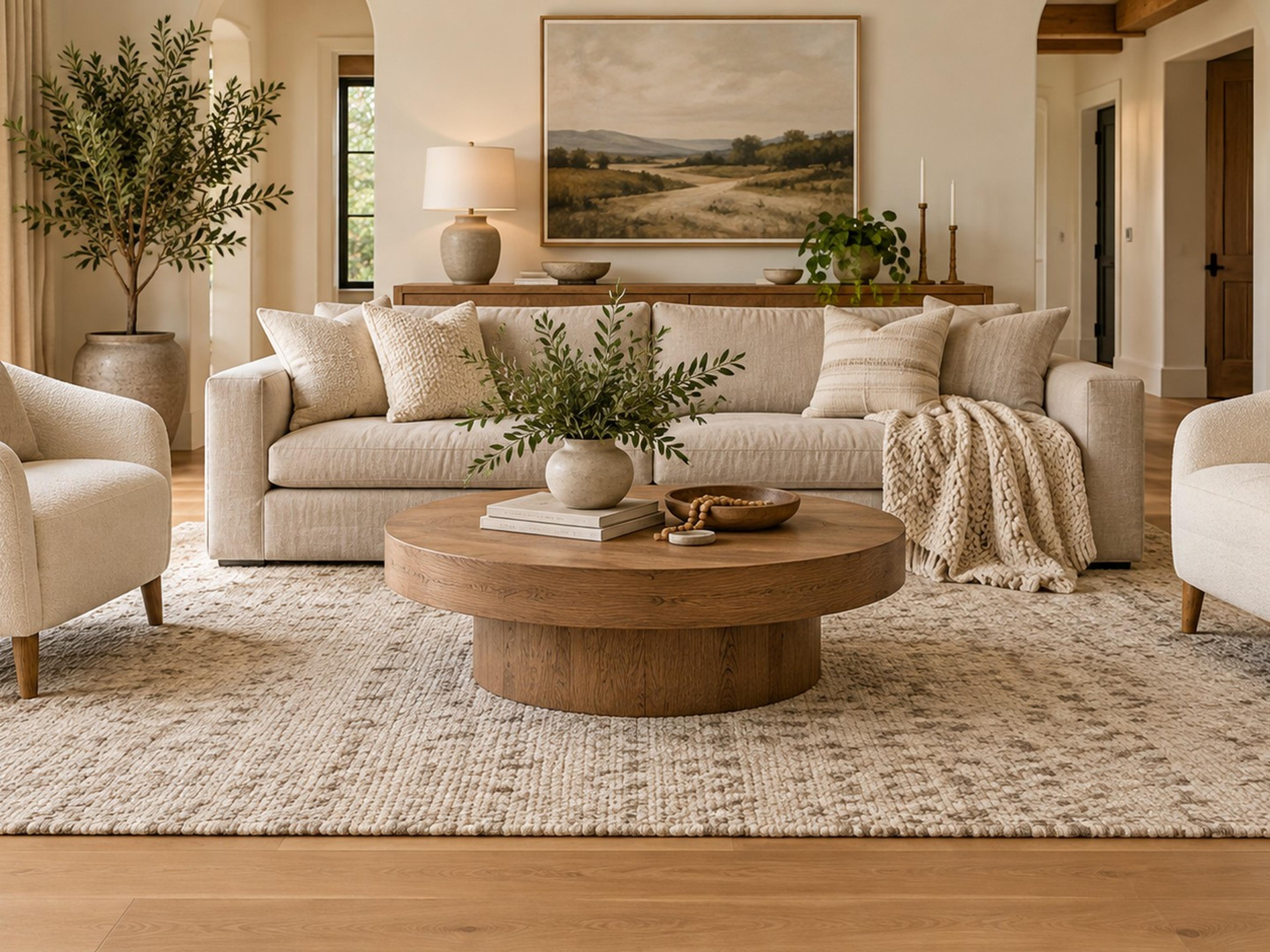
Styled inspiration · products may vary
Art hung too high above a sofa is one of the most common living room mistakes. The piece floats near the ceiling, the sofa looks lonely, and the wall never quite feels finished. Knowing how high to hang art above a couch takes the guesswork out of it, and the basic guidelines are simple once you see how they work together.
This guide covers the height gap, the eye-level center rule, how wide the art should be, and how to adjust for low sofas, tall ceilings, gallery walls and renters.
The Two Guidelines to Know
1. The gap above the sofa
What: Leave roughly 8 to 10 inches between the top of the sofa back and the bottom of the frame.
Why it works: This is the spacing most designers and framing guides recommend because it keeps the art and sofa visually connected, reading as one grouping instead of two separate things. Some guides allow a slightly wider range, from about 6 to 12 inches, depending on the furniture.
When it may not work: Very low-slung sofas can look better with a little more space, and very tall sofa backs may need a bit less. Adjust by eye after you mark the starting point.
2. The eye-level center
What: On a bare wall, the center of a piece is often hung around 57 to 60 inches from the floor, close to average eye level. Galleries and framing shops commonly use this guideline.
Why it works: It keeps art comfortable to look at when you stand in the room.
When it may not work: Above a sofa, the furniture gap usually wins. If centering at eye level would leave a big gap above the sofa, lower the art so it relates to the sofa instead.
How Wide Should Art Above a Couch Be?
What: Aim for art (or a grouping) that spans about two-thirds of the sofa's width. Some designers allow up to about three-quarters.
Why it works: A piece that is too small looks lost, while art wider than the sofa can feel top-heavy.
When it may not work: If you love a smaller piece, frame it with a wide mat, pair it with a second piece, or flank it with wall lights or plants to fill out the composition.
How to Measure and Mark
1. Measure the sofa back height from the floor to the top of the back cushion or frame, whichever is higher.
2. Add your gap. Start with about 8 to 10 inches. That is where the bottom of the frame goes.
3. Find the hanging point. Measure from the bottom of the frame to the wire or hanger at its tightest, and add that to your mark.
4. Center horizontally on the sofa, not the wall, unless the sofa is centered on the wall.
When it may not work: Sofas get moved. If you rearrange often, consider a ledge or leaning art so you aren't patching holes.
Adjusting for Your Sofa and Room
Low sofas
Low-profile sofas leave more wall above. Go slightly higher than the usual gap, or choose a taller piece so the arrangement fills the wall.
Sofas with tall backs or cushions
Tall-backed sofas need less space above. Make sure heads won't bump the frame when people lean back.
Tall ceilings
In rooms with tall ceilings, keep the art close to the sofa and use a taller piece or a stacked arrangement to fill the wall instead of hanging higher.
Low ceilings
Choose wider, horizontal art so the wall doesn't feel crowded vertically.
Sofas that float in the room
If the sofa isn't against a wall, the art doesn't need to relate to it. Use the eye-level center rule instead.
Gallery Walls Above a Couch
What: Treat the whole grouping as one piece.
Why it works: Use the same gap above the sofa for the bottom edge of the grouping and the same two-thirds width guideline for its overall span.
When it may not work: Uneven gaps between frames look messy. Keep the spacing between frames consistent, often around 2 to 3 inches, and keep the outer edges roughly aligned.
Simple layouts that work
- Two matching pieces side by side
- Three in a row for long sofas
- A grid of four or six frames
- A loose gallery anchored by one larger piece in the center
Choosing the Right Art for the Room
- Calm, warm pieces like landscapes, abstracts in neutrals, or botanical prints suit a cozy living room.
- Echo room colors, like the oat of a throw or the terracotta of a vase.
- Mix frames carefully. Matching frames look tailored; mixed frames look collected. Pick one approach.
When it may not work: A very bold piece may dominate a small room. Balance it with quieter decor.
Safety and Hanging Tips
- Use two hooks for large pieces so they stay level and secure.
- Choose hardware rated for the weight of the piece, and follow the weight rating on the hanger's package.
- Avoid heavy glass frames above where people lean their heads, especially in earthquake areas; acrylic glazing is lighter.
Renter-Friendly Options
- Lean art on a picture ledge or on a slim console behind the sofa.
- Use removable strips for light frames, within the package weight limits.
- Choose lightweight canvases that need only small nails.
When it may not work: Removable strips may not hold well on textured walls or in humid rooms, and they can lift paint. Never use them above where people sit for anything heavy.
If you are also hanging curtains on the same wall, our upcoming guide on how high to hang curtains (link once live) helps you line up rod and art heights so the wall feels balanced.
Common Mistakes to Avoid
- Hanging art too high above the sofa
- Choosing a piece far too small for the sofa
- Centering on the wall instead of the sofa
- Uneven gaps in a gallery wall
- Using a single nail for a large frame
FAQ
How high should a picture be above a couch?
A common guideline is to leave about 8 to 10 inches between the top of the sofa and the bottom of the frame.
What is the 57-inch rule?
It is a guideline to hang art with its center about 57 inches from the floor, close to average eye level. Above furniture, the sofa gap usually matters more.
How big should art be above a sofa?
Aim for about two-thirds of the sofa's width, either in one piece or as a grouping.
Should art be centered on the wall or the couch?
Usually on the couch, since the art and sofa read as one grouping.
The right art above your couch ties the whole living room together. Start with the gap, size it to two-thirds of the sofa and test with paper first. For more cozy living room ideas, see 5 simple ways to make your living room feel cozy.
You might also like
Living Room
Living Room Rug Size: How to Choose the Right Rug for Your Layout
Choose a living room rug by measuring your seating, testing furniture placement and comparing sizes. Includes an 84-inch-sofa example and a buying checklist.

Living Room
How to Mix Wood Tones: 10 Simple Rules for a Warm, Collected Room
Make mixed wood furniture feel intentional with a daylight check, a worked oak-and-walnut example and practical fixes that start with pieces you already own.

Living Room
5 Simple Ways to Make Your Living Room Feel Cozy
Transform your living room into a warm, inviting sanctuary with these 5 simple styling tricks and cozy accent pieces.